

By the time you are reading this article, we will be tip-toeing into October as well as Q4 of 2026. And what a year it has been. This year has been the year that museotherapy shifted from experiment to policy. The field is moving beyond pioneer-institution pilots (MMFA, MoMA) towards more rigorous government-linked research. This also lines up with the EU’s “Europe for Culture” declaration and Greece’s national rollout. What great signals!
🌱 What We’re Inspired By: Jameel Arts & Health Lab
🎵 What We’re Listening To: Los Andes, by Hermanos Gutiérrez
📚 What We’re Reading: Dream Count is a 2025 novel by Chimamanda Ngozi Adichie
Looking at Demographics
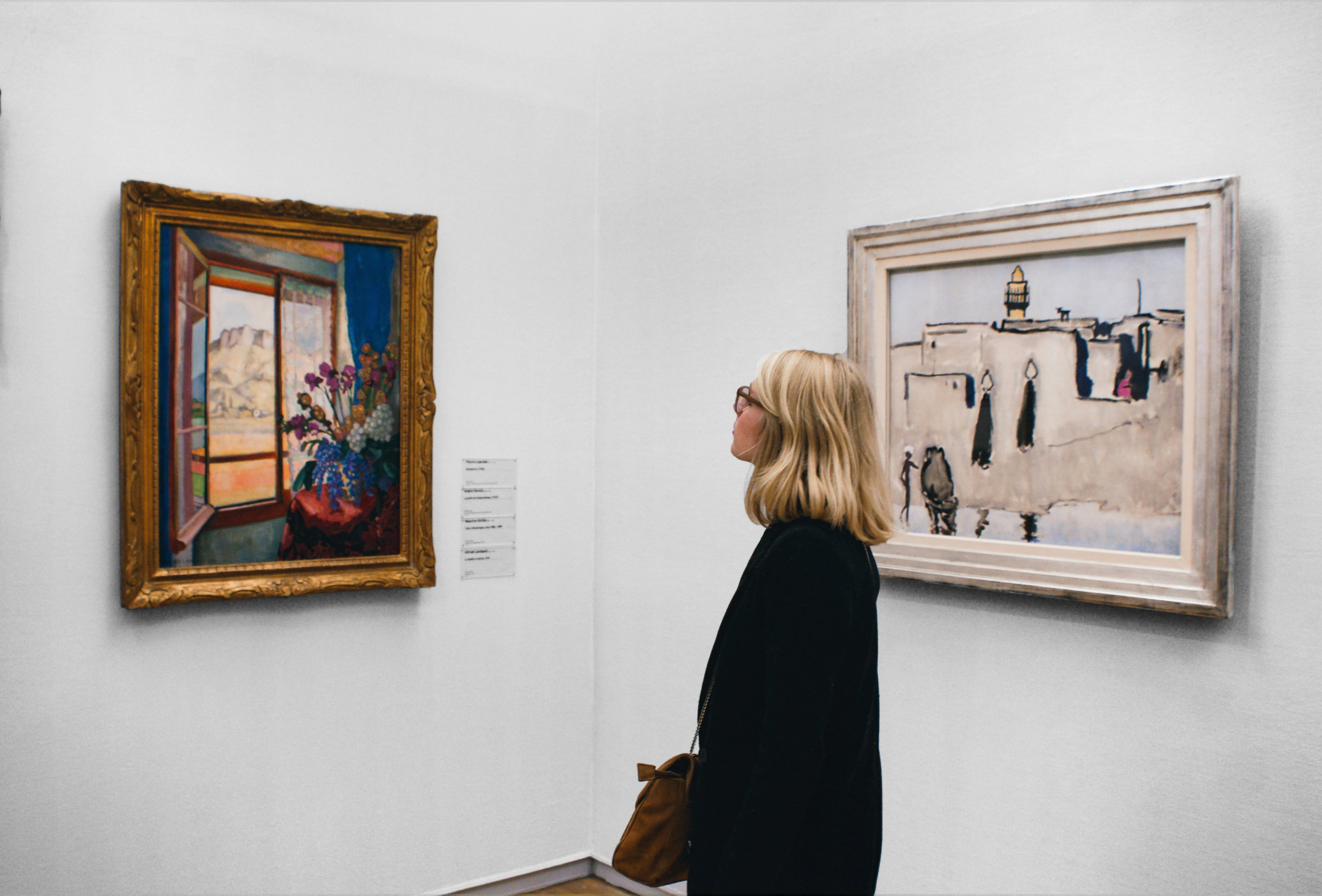
Speaking of 2026, one interesting article we’ve gained insight from is the visual data story Demographics of US Museum-Goers in 2026 by Diamond Alexander for the American Alliance of Museums (AAM). Who goes to museums, anyway? What demographic is historically underserved?
Biggest News: EU Declares Culture a Health Priority
On June 18, the European Parliament, European Commission, and Council of the European Union signed a joint declaration: “Europe for Culture - Culture for Europe” which made culture a strategic EU priority for the first time. It recognized culture’s health impact as one of twelve key principles. The declaration draws on a “Culture for Health” report from member-state experts. This was covered in depth in a piece published just two weeks ago (Sept 17, 2026) on The Conversation, syndicated by Phys.org. Finally, museotherapy is now moving from grassroots pilots into formal EU health policy territory.
Other threads pulled from that same piece include:
Training/credentialing is formalizing: Since 2024, Claude-Bernard Lyon 1 University has offered a university diploma, Prescription Culturelles: Santé et Arts (Cultural Prescriptions: Arts and Health), taught in French and coordinated by Nathalie Bondil, a neurologist, and a clinical psychologist signaling the field’s move from experimental practice toward an academic/theoretical framework.
UK: A quantitative study across seven museums in central London and Kent, part of the “Museums on Prescription” initiative for older adults, found museums can meaningfully improve psychological wellbeing over time (Sage Pub DOI Link)
France: An Inserm study (the French national health/medical research institute) in Caen is measuring museum visit benefits across different population groups. This gives the field state-research-backed evidence base rather than just museum-led pilot data.
Continuing Updates
Aside from this, the Shanghai "Museum Healing Alliance" (launched July 22, 2026) we mentioned in our Q1 wrap up remains the most recent big institutional development for museotherapy in the last half of this year. It's since been expanding to include the Duolun Museum of Modern Art, libraries, botanical gardens, and universities.
Recent Conferences & Gatherings of Note
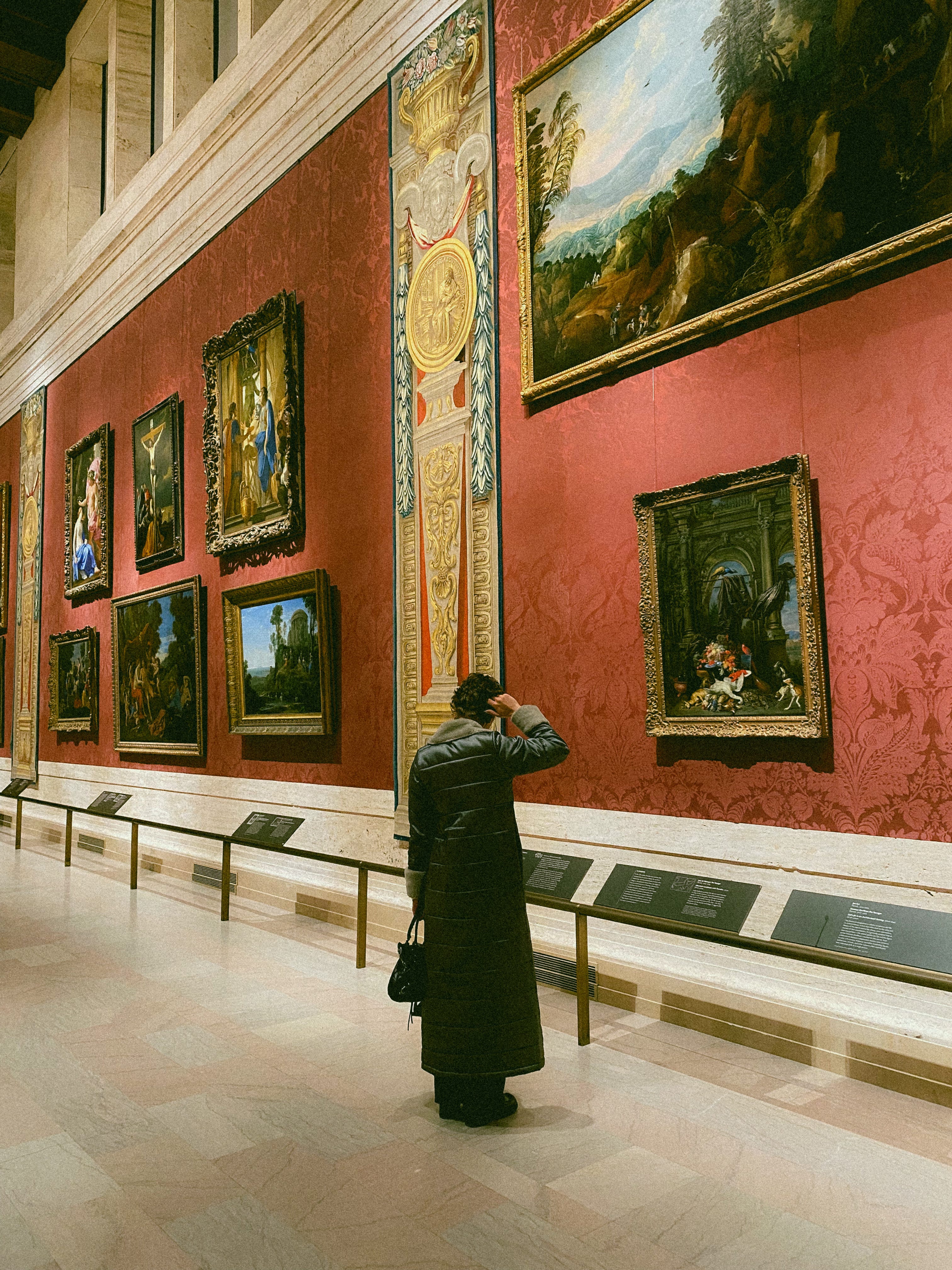
"The Healing Museum: Panel & Reception" at the Queens Museum
This September, the Jameel Arts & Health Lab hosted the 2026 UNGA Healing Arts Week, their annual city-wide NYC activation timed to the UN General Assembly. This specific event was a panel and evening reception that marked the announcement of a forthcoming policy brief, presented by a collaboration between Jameel Arts and the WHO. It makes the case for museums specifically as valuable public health and community wellbeing infrastructure worldwide.
Jameel Arts & Health Lab’s mission is coordinating global scientific research on arts-and-health effectiveness to drive policy across all 193 UN member states. Be sure to check out their website, in particular the interactive map of activations.
Upcoming Conferences
The Scientific Conference of Museum Therapy
We cannot believe this one has missed our radar for so long, but it only underscores why we continue to do this research: there is so much research going on in the museotherapy world internationally. We have been needing one place for all of this information to gather (for researchers to build together) so the field of museotherapy can move forward.
This 8th iteration of the conference is titled “Museotherapy and Dementia: The Role of Museums in Shaping the Well-being of People with Dementia.” It seeks to answer the questions What role can museums play in the lives of people with dementia? How can art, engagement with heritage, and specially designed activities support their well-being?
The conference is organized by the National Museum in Kielce and serves as a forum for meeting and exchanging experiences among those who create and implement museum and cultural programs aimed at people with dementia. Participants will explore how museums can create dementia-friendly spaces, address the needs of those affected, and build relationships grounded in mindfulness, respect, and presence.
The deadline for submissions is October 18, 2026
Conference Dates: November 3-4, 2026
BAAT Annual Conference (British Association of Art Therapy)
"Sustaining Care: Art Therapy for Workforce, Communities and Individuals" happens Nov 7, 2026, London. BAAT also runs a dedicated Museum and Gallery Special Interest Group (MaG SIG), the most direct museotherapy link in the UK field body. IMI will be joining remotely for this one!
One of the confirmed parallel sessions is "Community-based art psychotherapy in museum settings" with Julia Cort, art therapist at the Horniman Museum. That's a concrete UK museotherapy case study on the program, alongside a keynote from Daisy Fancourt (the same researcher who keynoted Greece's Art on Prescription conference in March) on arts and health evidence, and findings from a randomized controlled trial from 2025 on group art therapy for healthcare workers presented by Megan Tjasink.
AATA 2026 (American Art Therapy Association)
AATA’s 57th annual conference, expected 1,000+ attendees, the largest art therapy gathering of the year. In-person Oct 14–17, 2026, Charlotte, NC. The Virtual portion will be Nov 14–15, 2026, hosted on AATA’s virtual platform.
Specifically, we’re looking forward to hearing from the Museums SIG and from Carolina D-E presenting her paper “Joint Mirror Drawing and Crossdrawing in Art Therapy and Museums” directly connecting art therapy practice to museum settings. We’re also looking for to her adjacent session “Why the Arts Matter: The Gallery as a Community Hub.”
If you are in the museum, art therapy, or museotherapy world and you are hiring, feel free to drop a line. If you’re a graduate student or someone looking for a job in the field or want to get involved with IMI, please don’t hesitate to do the same.